
The Integration Bug That AI Diagnosed, Fixed, and Tested On Its Own
An urgent, high-stakes integration ticket from a top customer, handled end to end by AI-first infrastructure. Here is why that changes the math for every SaaS company.

Picture the scenario every software company dreads.
One of your most valuable customers, a fast-growing brand with locations in several cities, opens an urgent ticket. Their data is wrong. The membership records flowing from their booking-and-membership platform into their CRM are out of sync, and the errors are visible to their team and quietly polluting their marketing lists. This is not a cosmetic glitch. It touches money, it touches their customer relationships, and they want it fixed now.
Normally this is where the pain begins. A support engineer gets paged. They escalate to an integrations specialist. That specialist spends hours reconstructing what the integration was supposed to do, reading old tickets, digging through logs, and forming a theory. Then a developer gets pulled off their roadmap. Days pass. The customer gets restless. The bill for all of this, in salary and in lost focus, is enormous, and it repeats every time a complex integration misbehaves.
That is not what happened here.
Here, the platform’s AI infrastructure picked up the ticket, read the entire history, found the true root cause with hard evidence, built the fix, stress-tested its own work, caught and corrected its own mistakes, and validated everything with a repeatable test suite. No specialist was burned. No roadmap was derailed.
Let me break down exactly what that looked like, in plain language.
The problem, explained without jargon
Imagine a gym that keeps a list of active members.
Every time someone signs up or renews, a new “active member” card gets added to the list. Simple enough. But there is a catch in how the two systems talk to each other. When a membership ends or gets replaced by a newer one, the source system does not announce it. It simply goes quiet about that old membership.
So the integration only ever hears “add this one.” It never hears “this one ended.” The result is that old, expired membership cards pile up on the list, all still marked active. One person who had renewed a few times could show up looking like three or four active members, all at once.
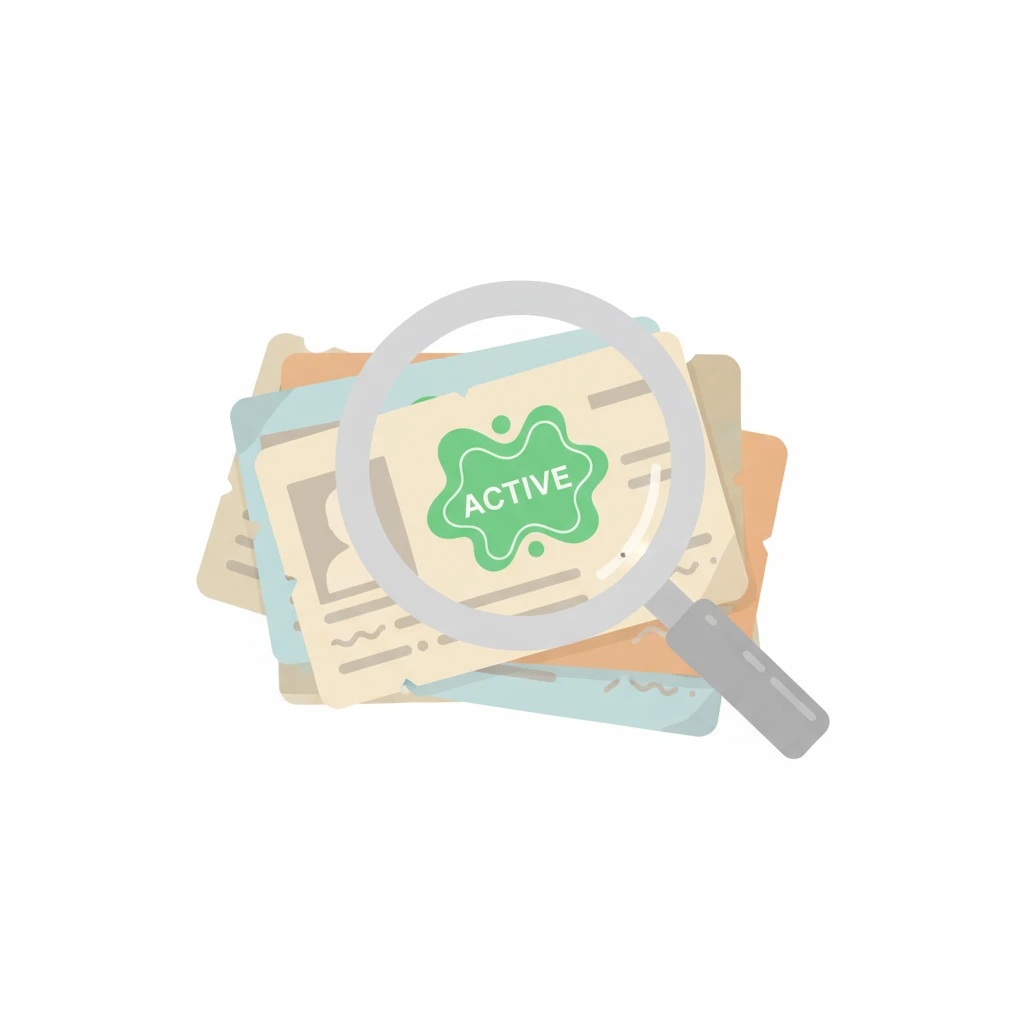
For the customer, that meant expired members lingering in members-only lists, inflated counts, and a CRM that no longer told the truth. For a business that runs on accurate customer data, that is a serious problem. The hard part is that nothing in the existing setup would ever fix this on its own. The bad records were written once and never revisited. Left alone, they would stay wrong forever and slowly get worse.
How the AI actually solved it
Here is the part that matters if you run a software business.
It read everything first. Instead of guessing, the AI went through the full execution history of the integration for the affected customer. It found a single real contact carrying several active records that were obviously successive renewals of one membership. That was the smoking gun. It did not theorize about what might be wrong. It produced proof.
It designed the right fix, not a patch. A quick hack would have been to chase each individual error. The AI did something smarter. It taught the integration to take attendance. Think of a roll call. Instead of passively waiting to be told who left, the system now periodically asks “who is actually still a member right now?” and marks everyone else inactive. In integration terms this is called reconciliation, but the roll-call image is all you need. It turns a system that only knew how to add into one that also knows how to clean up after itself.

And then it did the thing humans almost never have time to do. It tested its own work, hard, and it found its own mistakes before the customer ever saw them.
This is the moment that should make every software founder pay attention. During testing, the AI caught flaws in its first version of the fix. It noticed a logic error that would have wrongly switched off good records. It noticed that members who belong to more than one location could have been affected incorrectly, and it added a safeguard so that fixing one location never touches another. It noticed that a customer with hundreds of past renewals would overwhelm a technical limit, and it rebuilt that step to handle large histories in safe batches. It even checked the strangest edge case of all, a member with zero current memberships, to make sure the cleanup behaved correctly there too.
Then it built an automated test suite covering ten distinct scenarios and ran the whole thing until every single case passed. That suite is reusable, so any future change to this integration can be re-checked in minutes, forever.
A human team can absolutely do all of this. The question is whether they have the hours, the patience, and the budget to do it for every complex integration, every time. Almost none do.
The shift hiding inside this story
Step back from the gym memberships and look at the shape of what happened.
A genuinely hard integration problem, the kind that usually consumes senior engineering time and rattles an important customer relationship, was carried from urgent ticket to validated fix by AI infrastructure. The diagnosis was evidence-based. The fix was architecturally sound. The testing was more thorough than most teams manage under deadline pressure. And the self-correction, the AI catching its own errors, is the difference between a clever demo and something you can actually trust with a paying customer.
This is what we mean when we say the platform is AI-first. The AI is not a chatbot bolted onto the side. It is the thing that builds, operates, debugs, and tests the integrations themselves.
Complex integration support is being taken over by AI. Not someday. Now.
What this means if you sell software
If your product connects to other tools, and almost every serious SaaS product now does, then integrations are both your biggest growth lever and your biggest support tax. Every new connector you offer is a new surface that can break. Every break lands on your support queue and pulls your best engineers off the roadmap. That tax scales with your success, which is the cruelest part: the more customers you win, the heavier it gets.
This is exactly the problem APIANT For Builder, White Label is built to remove.
You get your own white-label integration platform, running under your brand, with this same AI infrastructure underneath it. Your customers get the deep, reliable integrations they are demanding. Your team gets out of the business of hand-diagnosing every edge case. The AI reads the history, finds the root cause, builds the fix, tests itself, and hands you something already validated.

The customer in this story got a correct, future-proof fix without a single human support engineer reconstructing the problem from scratch. Now imagine that being the default for your entire integration catalog, with your logo on it.
See it for yourself
This is one ticket. We run integrations like it every day, and the pattern holds: AI carries the hard part, your brand keeps the customer relationship, and your engineers keep their focus.
If you are a SaaS company tired of paying the integration support tax, let us show you what your own white-label APIANT For Builder server would look like.
This case study has been fully anonymized. No customer name, contact, platform, or identifying data is included. Technical details have been simplified for a general audience.
Keep reading
AI-First Integration Engineering With Claude Code: A Real Debug Session
A real APIANT debugging session, with the actual prompts. Watch an AI read a sibling integration and four years of version history, and watch a builder's hunch stop a regression the codebase never recorded.
Auto-Create HubSpot Properties From a CSV With Claude Code
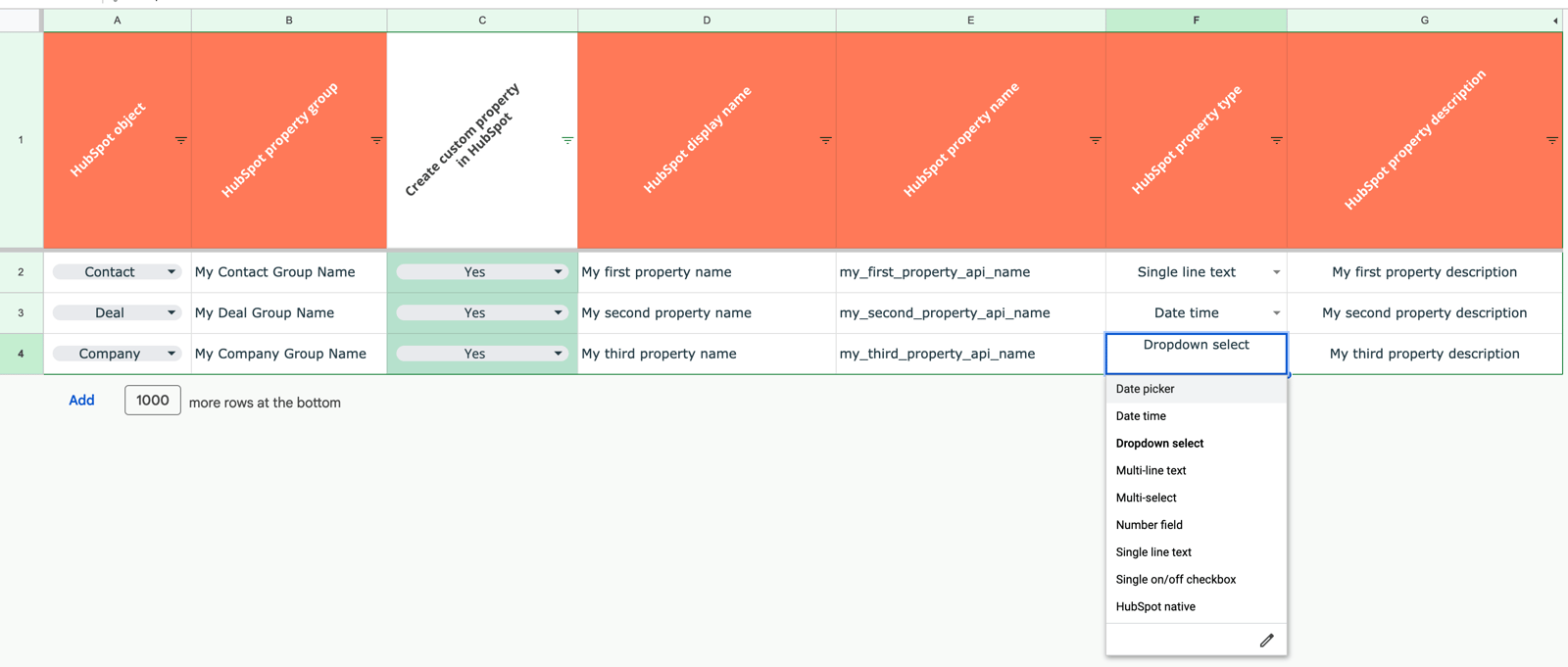
How to auto-create HubSpot properties (contact, deal or company) using this free import automation built on APIANT.
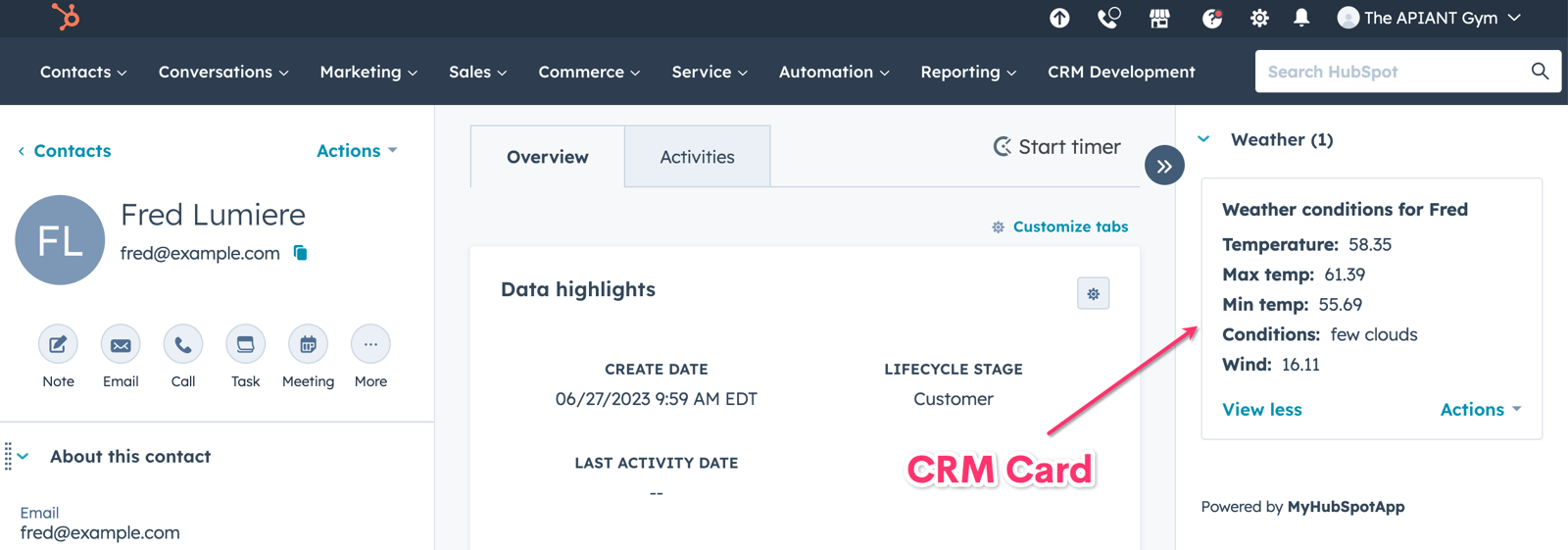
Build a Custom HubSpot CRM Card With No Code Using Claude Code
Learn how to easily create a customized HubSpot CRM Card without any coding with APIANT.